
Energy Maintenance Services Group
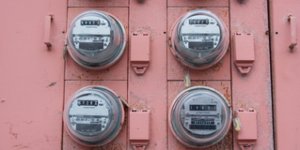 Every facility should include energy management. Maintenance services that focus on energy management will recommend that you get granular with your energy data. This can be difficult when the best source for data (the utility bill) is often extremely general regarding your facility’s energy consumption.
So what is the best way to get granular? Survey says, “Submeter your energy sources!” Sub metering allows facility managers to isolate energy consumption by sources (e.g., plug loads, HVAC, lighting) and by users (e.g., tenants, departments etc.) to better track and bill for the consumption.
So what is Submetering?
Submetering is installation of additional metering devices to measure energy consumption after the main utility meter.
The benefits are numerous:
- Eliminates inaccurate estimates
- Improved, more accurate billing
- Promotes energy savings
- Concise energy management
- Ease of use and installation
- Compliance with green requirements
Despite the benefits, I saw a recent survey in Building Operating Management that showed only one-third of facility managers use submeters widely and another third do not use them at all. This makes submetering a missed opportunity for facility managers, and the reason for this post. Part of the problem may be that it is more expensive to add a submeter after the facility is constructed.
Top Sources to Submeter
At a minimum, there are three energy consumption sources facility managers should consider adding a submeter to:
- Plug loads
- Lighting
- HVAC systems
1. Plug loads
Plug loads include all electronics in the facility that tap into the building’s plug receptacles (e.g., computers, printers, coffee makers, space heaters etc.) According to Wikipedia, the Commercial Buildings Energy Consumption Survey (CBECS), a national sample survey project of the U.S. Energy Information Administration, reported that based on 2003 data, 19% of the total energy of U.S. office buildings is attributed to plug load energy use (office equipment, computers, and other energy use).
2. Lighting Systems
Most energy consumed in a building comes from lighting. I’ve seen estimates indicating that 20% to 50% of total energy consumption comes from lighting use or misuse. Most importantly, for some buildings, over 90 percent of lighting energy consumed can be an unnecessary expense through over-illumination. The cost of that lighting can be substantial. A single 100 W light bulb used just 6 hours a day can cost over $25 per year to use (.12/kWh).
3. HVAC
HVAC systems are another great source to focus a submeter on. Placing a submeter on your HVAC system can help you determine where spikes occur. Knowing where and when the spikes occur allows facility managers to determine whether the spike was due to a change in the weather or because the HVAC system was operating when it should have been turned off.
RELATED VIDEO


Share this Post
Related posts
Industrial Maintenance Services
All customers are concerned about rising maintenance costs and many need to improve safety performance. Some want to increase…
Read More
Generator Maintenance Services
Today’s electrical grid delivers reliable electricity to millions of homes and businesses. However, electrical failures that…
Read Morelatest post
-
 Security Construction Services October 19, 2026
 -
 Ford Scheduled maintenance October 9, 2026
 -
 Preventative Maintenance car September 29, 2026
 -
 New Homes Construction Plano TX September 19, 2026
 -
 Preventive Maintenance stickers September 9, 2026
 -
 Acura TSX maintenance Schedule August 30, 2026
 -
 Preventive Maintenance Technician August 20, 2026
 -
 Industrial Maintenance Coatings August 10, 2026
 -
 Industrial Maintenance Electrician July 31, 2026